
TL;DR / At a Glance: The PC ecosystem is deploying a coordinated, two-pronged counter-attack to dismantle Apple’s budget MacBook Neo monopoly. To fight Apple’s tight hardware-software vertical integration, the Windows camp is launching independent defensive lines. Intel’s Project Firefly establishes a bottom-up supply chain defense, standardising thin-and-light laptop internals with mobile phone components to lower costs down to a $413 floor. Simultaneously, the leaked NVIDIA N1X “Blackwell” SoC mounts a top-down performance assault, fusing MediaTek ARM cores with a 6,144 CUDA-core GPU and 128GB of unified memory to completely erase motherboard latency barriers.

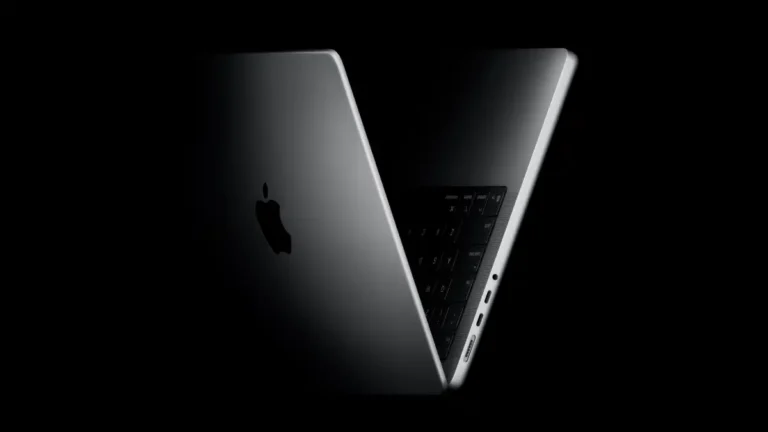
We are looking at an absolute panic inside the semiconductor industry right now. Apple’s MacBook Neo didn’t just disrupt a segment—it threatened to lock an entire generation of students and casual users exclusively into the macOS ecosystem. By pulling binned, mass-produced iPhone-derived A18 Pro chips off their assembly lines, dropping them into fanless aluminum shells, and selling them for a starting price of $599 (RM2,499 locally), Apple built an unyielding vertical integration cheat code.
The PC response is not a single, coordinated product. Instead, it is a massive, two-pronged pincer movement designed to surround Apple from the bottom and the top. To understand how Windows plans to survive, we need to look past individual benchmarks and map out the real structural value behind Intel’s Project Firefly and the newly leaked NVIDIA N1X “Blackwell” superchip.
The Bottom-Up Squeeze: Intel Project Firefly
Intel cannot control Microsoft’s software optimisation windows, nor can they magically grant legacy architecture phone-level idle power states. So, with Project Firefly, Intel is forcing vertical integration onto the physical manufacturing side of the supply chain.
Project Firefly is a system-level blueprint designed to aggressively flatten production costs across multiple competing laptop brands. Instead of allowing PC vendors to bleed millions in R&D creating custom, independent motherboards, Intel has established universal “A+ reference designs”. The initiative replaces custom internal layouts with standardised, high-density 50-pin FFC connectors borrowed straight from the mature smartphone supply chain, reducing motherboard footprints by 5% and slashing overall device counts by 7%.
Powering these units are the highly efficient Intel Core Series 3 (Wildcat Lake) processors built on the 18A process node. Despite the budget targeting, the reference layout mandates premium 11mm unibody aluminum chassis parameters using a clean, screwless bottom panel aesthetic. As seen on the groundbreaking Lenovo Lecoo Air 14, which launched in China for a heavily subsidised pre-order price of 2,999 yuan (~$413 USD), Intel is hitting Apple on pure volume and aggressive scale economy.
The Top-Down Hammer: NVIDIA N1X “Blackwell”
If Intel is attacking Apple’s baseline pricing structure from the bottom, the NVIDIA N1X is an absolute nuclear strike from the top. NVIDIA looked at Qualcomm’s newly launched Snapdragon X2 platform and realised that while Qualcomm nailed mobile battery life, their graphics drivers and neural compute architectures are completely unequipped to carry the high-end gaming or developer markets.
NVIDIA is taking the silicon consolidation route to beat Apple at its own game. Partnering with MediaTek, our deep-dive coverage of the leaked NVIDIA N1X laptop chip unmasked a 20-core ARM hybrid CPU complex integrated directly alongside a monolithic, desktop-class Blackwell integrated GPU pushing a massive 6,144 CUDA cores onto a single 3nm TSMC die.
To feed this massive graphics core without hitting traditional PC system latency limits, the N1X deploys an ultra-wide 16-channel architecture backing up to 128GB of unified LPDDR5X memory. It completely replicates Apple Silicon’s physical component proximity layout, erasing motherboard lane latency. It bridges the Windows-on-ARM gaming gap by unlocking a native, hardware-level GeForce driver stack and deep CUDA compilation pipelines that developers have spent thirty years optimising.
Core Strategy Matrix
Here is how the two dominant defensive Windows strategies plan to slice up the MacBook Neo’s territory:
The Windows Armament Framework
| Feature Parameter | Intel Project Firefly (e.g., Lecoo Air 14) | NVIDIA N1X Platform (Enthusiast) | Apple MacBook Neo (2026) |
| Primary Focus | Logistics & Component Cost Reduction | Raw Architectural Prowess & Unified Memory | Vertical Integration & Silent Mobility |
| Silicon Layout | Intel Core Series 3 (Wildcat Lake 18A) | MediaTek CPU + NVIDIA Blackwell GPU SoC | Apple A18 Pro (iPhone-Derived 3nm) |
| Graphics Engine | Mainstream Integrated Xe3 Graphics | 6,144 CUDA Cores (Monolithic Blackwell) | 5-Core Binned Apple GPU (Ray Tracing) |
| Memory Floor | 12GB LPDDR5 Standard | Up to 128GB Unified LPDDR5X (16-Channel) | Fixed 8GB Unified Memory Block |
| Target Pricing | Sub-$600 (Actively hitting $400 – $550) | Premium Enthusiast Tiers (Expected Premium Baseline) | $599 Retail ($499 Student Tier) |
| Winning Variable | Unbeatable hardware-to-ringgit cost ratio | Native GeForce driver stack & local AI compute | Deep software-to-silicon app optimization |

The Ultimate Question: Can the PC World Win?
Can a fractured ecosystem realistically defeat Apple’s tight, vertical monopoly? Yes, but only by completely abandoning the old ways of building computers. The PC world cannot win by playing Apple’s game. If manufacturers continue to rely on traditional, fragmented designs where components are scattered across a complex motherboard layout, Apple’s structural thermal advantages will stay ahead.
The double-sided strategy of Project Firefly and the NVIDIA N1X works because it hits Apple exactly where vertical integration makes them vulnerable:
- The Firefly Scale Defense: Apple’s vertical framework is incredibly expensive to adjust or scale down. By standardising interior laptop boards and components to match the massive manufacturing volumes of the smartphone industry, Intel is undercutting the MacBook Neo on pure component value. Apple can never build a premium unibody metal laptop for $413 (or can they?).
- The NVIDIA Ecosystem Lock: Apple’s unified memory layouts are fantastic for video rendering and resource allocation, but their proprietary Metal graphics API isolates them from the global developer ecosystem. The NVIDIA N1X offers an identically fast unified memory architecture while instantly handing professionals the native, hardware-level CUDA pipelines and game-ready drivers they require.
Other Little Things
1. The Microsoft Emulation Tax
While the physical hardware layouts are finally closing the gap, the true bottleneck for the Windows-on-ARM counter-attack remains Microsoft’s Prism x86-to-ARM emulation layer. While NVIDIA’s Blackwell driver stacks completely solve native graphics translation bottlenecks, the Windows operating system still pays an active performance penalty when translating legacy desktop applications. Microsoft must optimise this translation layer immediately if N1X laptops want to feel as smooth as a MacBook.
2. Handheld Crossover Dynamics
The manufacturing advancements coming out of Project Firefly are going to trigger massive ripple effects inside the portable gaming scene. The ultra-dense, low-cost motherboard footprints and flat smartphone FFC interfaces developed to lower thin-and-light laptop costs will make engineering high-capacity, space-saving portable consoles significantly cheaper. This provides structural engineering relief for devices like the newly announced Acer Predator Atlas 8 handheld and its Intel Arc G3 Extreme engine.
3. The Budget ARM Alternative
If you are strictly shopping the sub-RM1,500 market right now and want to see how these architectures scale down into commercial retail clamshells, the ecosystem split is already hitting shelves. Take a look at our live head-to-head comparison of the Acer Aspire Go 15 vs. Apple MacBook Neo to see how entry-tier Qualcomm silicon intends to stake its claim in the value space.
The Verdict: The Fortress is Surrounded
The PC industry won’t defeat the MacBook Neo with a single, silver-bullet platform. Instead, they are completely surrounding it.
If you want status, extreme native app optimisation, and long-lasting battery life, you buy the MacBook Neo. But if you want a premium, sleek unibody metal laptop for under RM1,800 to handle your office documentation, Project Firefly’s scaled supply chain has you covered. And if you want an ultra-portable workstation that can run heavy local machine learning models and AAA games natively on battery power, the NVIDIA N1X will be waiting at the top end. The era of Apple dominating the efficiency conversation uncontested is officially over.
Frequently Asked Questions
What is the main difference between Intel’s Project Firefly and NVIDIA’s N1X strategy?
Intel’s Project Firefly is a bottom-up manufacturing strategy focused on standardizing thin-and-light laptop internals using cheap, mass-produced smartphone supply chain components to target a low $400-$550 price bracket. The NVIDIA N1X is a top-down performance strategy that integrates high-end ARM CPU cores with a massive Blackwell graphics engine onto a single 3nm die to offer uncompromised, premium mobile workstation performance.
Can Windows laptops realistically beat the MacBook Neo’s battery life and performance?
Yes, but through different methods. Intel’s Project Firefly matches Apple’s efficiency by utilising ultra-low-power Core Series 3 processors on the 18A node packaged inside tight 11mm reference chassis designs. NVIDIA’s N1X platform bypasses old motherboard bandwidth limitations by adopting a 16-channel layout with up to 128GB of unified memory, matching Apple Silicon’s data proximity while offering a native, hardware-level GeForce and CUDA driver ecosystem.