TL;DR / At a Glance: What was the first OnePlus phone? The first OnePlus phone was the OnePlus One, released in April 2014. It was known as the “Flagship Killer” because it offered high-end specs (Snapdragon 801, 3GB RAM) for an entry-level price of $299, available only via an invite system.
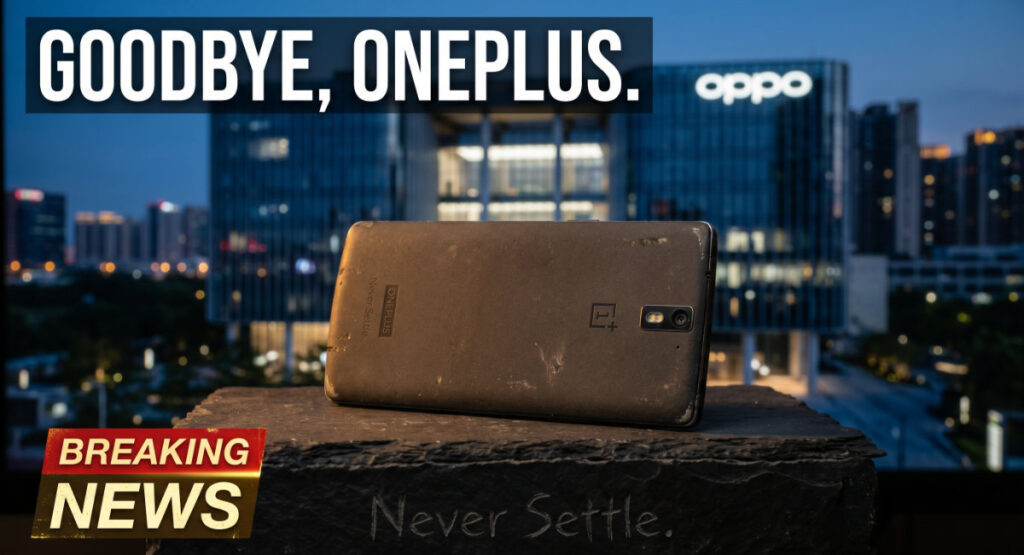
In the tech world, myths are rarely built on specs alone. They are built on rebellion (Think Different – Apple). For over a decade, OnePlus was the industry’s greatest rebel—a brand that didn’t just sell phones, but a “Never Settle” covenant with a community that felt ignored by the giants in Cupertino and Suwon.
But as of April 2026, the rebel has officially been brought into the fold. To understand why the merger with realme feels like a funeral to some, we have to go back to where the legend began.
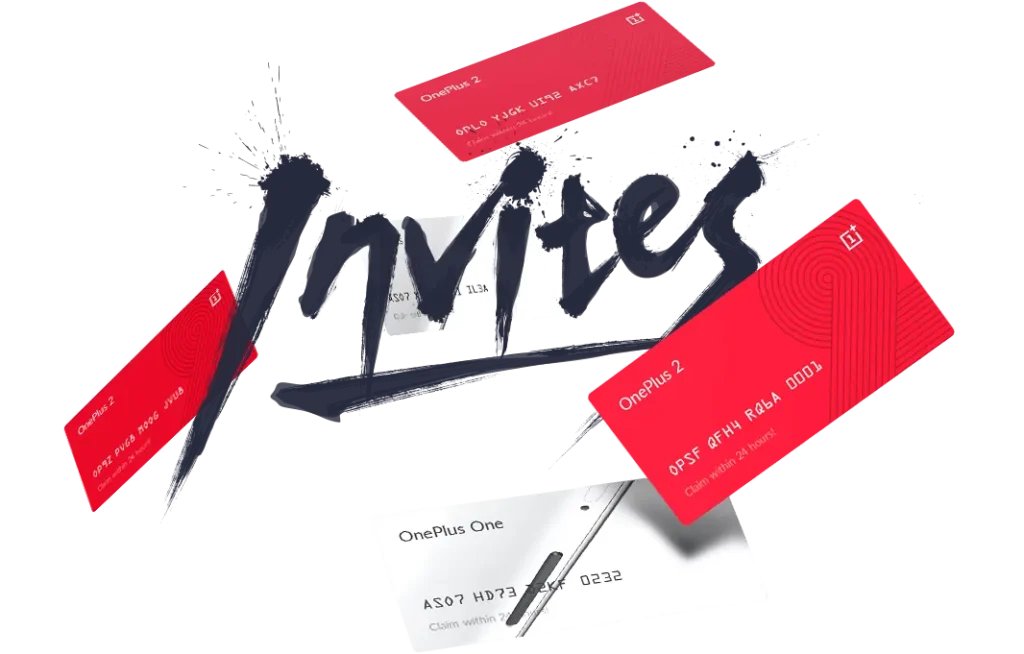
2014: The “Invite System” and a $299 Dream
When Pete Lau and Carl Pei left OPPO to start OnePlus in late 2013, they didn’t just want to build a phone; they wanted to disrupt a stagnant market.
The OnePlus One, launched in April 2014, was an anomaly. It packed a Snapdragon 801, 3GB of RAM, and a beautiful 5.5-inch display for just $299 (approx. RM950 at the time). Competing flagships were nearly double the price.
- The Smash the Past Campaign: OnePlus asked fans to literally smash their old phones on video for a chance to buy the One for $1. It was reckless, controversial, and brilliant marketing.
- The Scarcity: You couldn’t just walk into a store and buy one. You needed an Invite. This created an elite “inner circle” of tech enthusiasts that served as a free, global marketing army.

2015–2019: The “Golden Era” of Growth
This was the period where OnePlus proved it wasn’t a one-hit-wonder. They expanded into Malaysia, India, and the US, landing carrier deals and refining their identity.
- The Speed King: With the OnePlus 3 and 3T, the brand introduced Dash Charge (“A day’s power in half an hour”), which effectively changed how we thought about battery life.
- The Software Peak: OxygenOS became the fan-favorite Android skin—cleaner than stock Android, yet more customizable.
- The Price Creep: We started to see the transition. The “Flagship Killer” was becoming the Flagship. Prices slowly climbed from RM1,500 to RM3,000, but the value proposition remained unbeatable.
READ ALSO: Goodbye OxygenOS: The Rise and Fall of Android’s Cleanest Skin (2015–2026)
2020: The Turning Point (The Departure of Carl Pei)
In October 2020, the storyteller walked away. Carl Pei’s exit to found Nothing was the first major crack in the myth. While Pete Lau was the engineer, Pei was the face of the rebellion.
Shortly after his departure, the “Oppo-fication” accelerated. We saw:
- The Nord Series: A move toward the mid-range mass market.
- The Hasselblad Partnership: A play for Premium status that finally pushed prices past the RM4,000 mark.
- The Codebase Merger: OxygenOS and ColorOS began sharing the same DNA, leading to the infamous “OnePlus 2.0” transition.
2024–2026: The Identity Crisis
By the time the OnePlus 15 launched in early 2026, the brand was unrecognisable from its 2014 self. Despite having incredible tech—like the 7,300mAh battery and the Snapdragon 8 Elite Gen 5—it was no longer a “Flagship Killer.” It was simply an expensive, high-end OPPO sibling.
- Collapsed Shipments: In 2025, OnePlus shipments in key markets like India dropped by 32%.
- Market Pullouts: By March 2026, reports emerged of OnePlus exiting European markets (UK, Spain, Germany) to let OPPO take the lead.
April 2026: The Merger Finality
The merger with realme is the final chapter. In the unforgiving arithmetic of 2026, a brand built on “charisma” and “rebellion” couldn’t survive the massive R&D costs of the AI era alone.
OnePlus didn’t die because it made bad phones; it died because it became too similar to the giants it once tried to slay.
The transformation of the ‘Flagship Killer’ identity is bleeding directly into the glass and steel of the user interface. If you want to see exactly how the brand plans to rewrite its software rules heading into next year, check out our unvarnished technical breakdown of the massive ColorOS 17 leak detailing Oppo and OnePlus’s new Liquid Acrylic UI!
Related Reads
The OnePlus x realme Merger Series:
- The Big Picture: Everything You Need to Know About the OnePlus x realme Merger
- The Legacy: The Rise and Fall of the Flagship Killer
- The Challenger: The Meteoric Rise of the realme
- The Software: Goodybe, OxygenOS
- The Deep Dive: Universal ColorOS vs OxygenOS 16
- The Economics: The AI Tax: Why brands are disappearing