TL;DR / At a Glance: What are the main differences between OxygenOS 16 and ColorOS 16 in 2026? While both operating systems now share a unified Universal ColorOS codebase, the differences are primarily aesthetic. OxygenOS 16 focuses on a minimalist Never Settle design and red accents, while ColorOS 16 uses a light-and-shadow design language with features like Fluid Cloud. Both share the same Trinity Engine for performance and O+ Connect for seamless file sharing with iPhones and Macs.
Computex 2026 Update: While our comprehensive platform evaluation locks down the current software differences for this generation, a massive new leak has completely disrupted the future roadmap. Read our complete deconstruction of the ColorOS 17 leak via Digital Chat Station to see how ‘Liquid Acrylic’ rendering and Light Field alerts plan to alter your OnePlus or Oppo device this autumn!
As of April 2026, the Great Merger is no longer just a corporate rumour. For OnePlus and realme users, it is a software reality. While the names on the About Phone page might still read OxygenOS 16 or realme UI, the engine purring under the hood is now the Universal ColorOS framework.
But does a unified codebase mean a boring experience? Not necessarily. Here is the technical breakdown of how these two skins compare in 2026.
The Performance Core: Trinity Engine & Luminous Rendering
Regardless of which brand you hold, the performance is governed by the same twin-engine system developed by OPPO.
- Trinity Engine: This is the brain that manages RAM and storage. In 2026, it features 37% overall stability improvements and ROM Vitalisation, which can compress system files to save significant space without slowing down the phone.
- Luminous Rendering Engine: This is what makes the UI feel fast and smooth. It renders components in parallel to reduce visual interruptions, ensuring that animations originate precisely from the point of touch and settle smoothly.
READ ALSO: Goodbye OxygenOS: The Rise and Fall of Android’s Cleanest Skin (2015–2026)
The AI Suite: Productivity Over Gimmicks
In 2026, the AI Tax we discussed in the Hub piece pays off in the form of the Smart AI Toolkit. Both OS versions leverage on-device Generative AI to handle complex tasks locally and securely.
| Feature | Universal ColorOS 16/17 | OxygenOS 16 (OnePlus) |
| AI Writer | Social posts and full emails from a single prompt. | Integrated into the keyboard with Tone Adjustment. |
| Smart Image Matting | Drag-and-drop objects from photos into any app. | Same, with 200MB+ high-res cutout support. |
| AI Recording | Meeting minutes with speaker identification. | Optimized for Live Alerts on the status bar. |
| AI Clear Voice | Removes background noise from all calls. | Exclusive High Fidelity mode for OnePlus Buds. |
Interconnectivity: Breaking the Walls
The biggest technical jump in 2026 is O+ Connect, which finally breaks the barrier with the Apple ecosystem.
- AirDrop Support: You can now natively share files, albums, and documents between a OnePlus/realme and an iPhone using Touch to Share.
- PC & Mac Connect: Mirror your phone screen to a Mac or Windows PC and manage files wirelessly. This is standard across both OxygenOS and ColorOS now, thanks to the unified backend.
- Wearable Integration: The OHealth app now allows integration with the Apple Watch, syncing exercise data and handling calls directly.
READ ALSO: The Rise and Fall of the “Flagship Killer”: A OnePlus Eulogy (2014–2026)
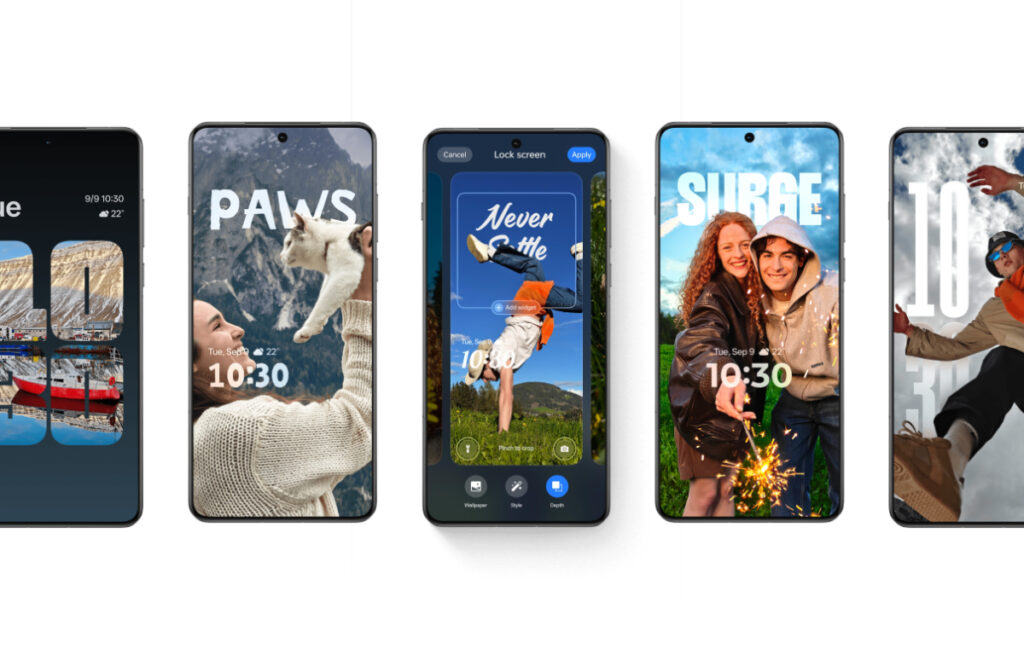
The Visual Identity: Spotting the Differences
If the code is the same, how do they stay different?
- OxygenOS 16: Retains the minimalist Never Settle aesthetic—red accents, the classic 1+ clock widget, and a cleaner, less saturated color palette. It also features Open Canvas multitasking, which now supports up to five apps simultaneously on larger screens.
- ColorOS 16: Leans into the Flux Home Screen design inspired by natural light and shadow. It feels more iOS-like, with rounded corners, a new stacked notification center, and Fluid Cloud—a pill-shaped UI element for real-time alerts.
The Verdict: Is it just a rebrand?
Technically? Yes. In 2026, OxygenOS is effectively a skin for ColorOS. However, because they share the same codebase, OnePlus users are getting faster security patches and more stable AI features than they ever did during the independent days.
What do you think? Which do you prefer? OxygenOS or ColorOS?
The OnePlus x realme Merger Series:
- The Big Picture: Everything You Need to Know About the OnePlus x realme Merger
- The Legacy: The Rise and Fall of the Flagship Killer
- The Challenger: The Meteoric Rise of the realme
- The Software: Goodybe, OxygenOS
- The Deep Dive: Universal ColorOS vs OxygenOS 16
- The Economics: The AI Tax: Why brands are disappearing